
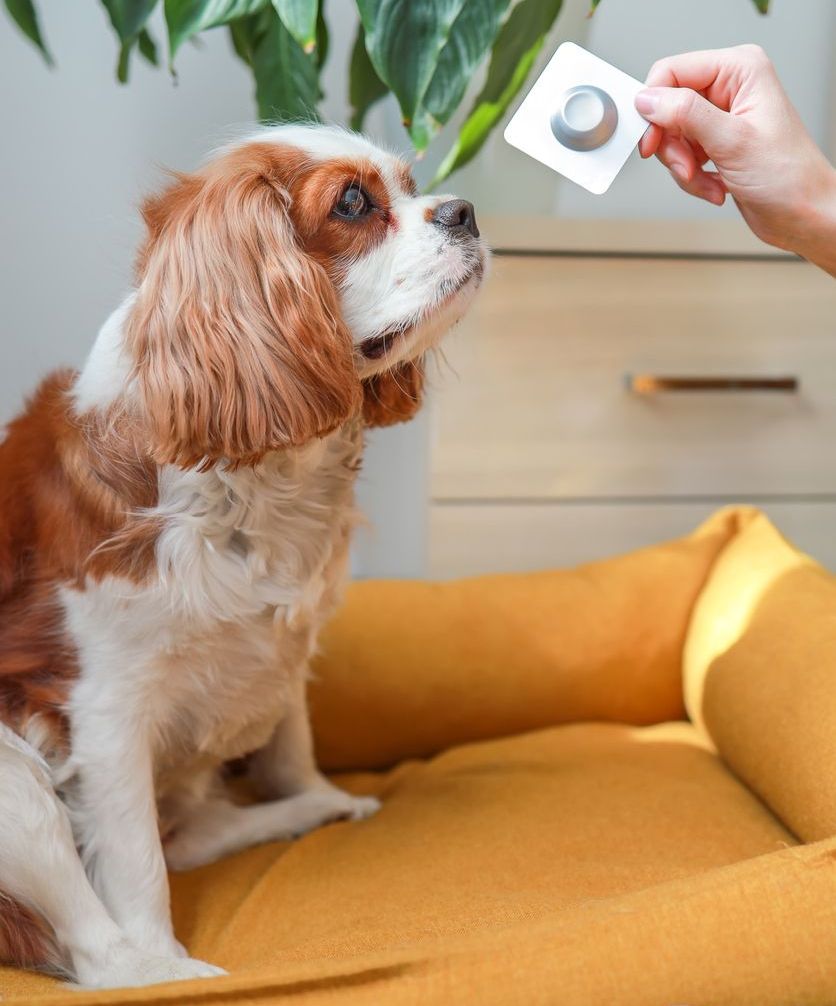
Earlier this year, I was walking through my kitchen when I felt something under my foot. I looked down and found a half-eaten tablet that matched my dog’s medication.
My guess: My dog ate the treat wrapped around the tablet and spit out the medicine. While I wasn’t surprised, I was lucky. If my foot hadn’t found the tablet, my toddler could have. This concern isn’t isolated. We’ve received calls to our poison center involving a variety of scenarios:
- One caller described finding their dog’s food bowl nearly empty except for their pet’s chewed-up-and-spit-out medications. Their child found the pills.
- A parent mixed their pet’s medication in peanut butter, turned away for a moment to get the pet, and wasn’t quick enough to stop their child from gobbling it down.
- Another caller accidentally drank his dog’s ear medication, mistaking it for his morning beverage.
- Yet another took his dog’s pain medicine, which was stored next to his own.
These scenarios may seem unlikely, but medication mix-ups can happen in seconds, especially in busy households with pets and children.
Accidental exposures result from ordinary household mistakes, not unusual events. At any point, a pill can be dropped, spit out, misplaced, or mistaken for someone else’s medication.
The best prevention is to stay vigilant, especially when young children are around, and to keep track of the medication before, during, and after each dose.
Pet Medication Can Harm Humans
Pets commonly take medications to treat pain, infections, anxiety, seizures, and other health conditions. A medication designated for animal use can still be harmful if a person takes it. In fact, many medications prescribed for animals contain the same active ingredients as medicines used for people. Some prescription pet meds are even dispensed from human pharmacies. Some examples of pet medications also used in humans include thyroid hormones, phenobarbital (to treat seizures), insulin, antibiotics, and antidepressants.
We’ve helped manage several cases where pet medications have sent their humans to hospital:
- A young woman became unresponsive after taking her dog’s antidepressant.
- A man felt unwell after taking his dog’s cough medicine by mistake and was admitted overnight in the hospital.
- A child got ahold of their dog’s pain medicine and required care at the nearest emergency department.
- A woman took her dog’s sedative and needed to be observed in an emergency department.
Every pet medication should be handled with the same care and caution as medicine intended for people.
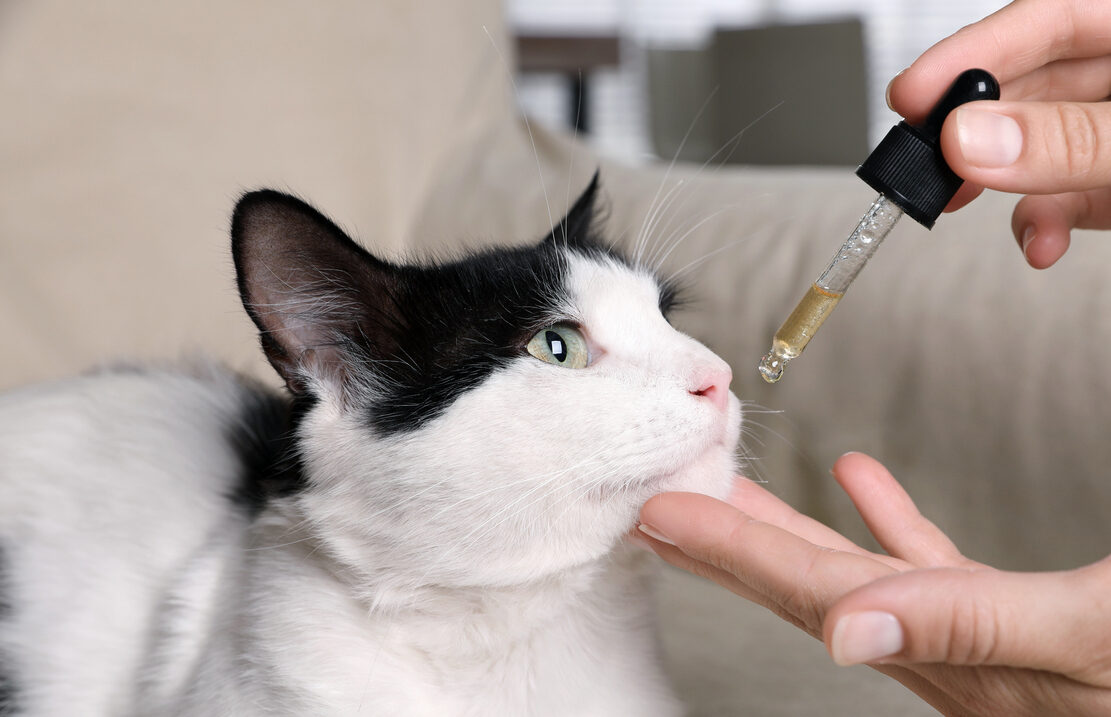
Safe Storage Is Key
Pet medications become part of our daily routines so quickly that it is easy to forget they are still medications. A bottle may be left on the counter, pills may be placed next to human medications, or a tablet may be hidden in food and then spit out.
The safest approach is to create a consistent routine. Keep medicines in a designated location that is up, away, and out of sight of children. Keep pet medicine separate from medications used by people.
Storage is only part of the process. After giving your pet medicine, take a moment to make sure they actually swallowed it and check the surrounding area for anything that may have been spit out. Those few extra seconds can prevent a pet medicine from accidentally ending up in someone else’s hands or mouth.
Simple Habits
These simple habits can help prevent accidental exposures to your pet’s medicine:
- Store pet medications up, away, and out of sight of children.
- Keep medications in their original, labeled containers.
- Store pet and human medications separately.
- Make sure your pet swallows their medication.
- If mixed with food, check for a clean bowl.
- Give your pet medication in a location where dropped pills can be easily spotted.
- Pick up any dropped or spit-out pills immediately.
- Avoid handling or taking your medication at the same time you’re giving your pet their medication.
- Follow the medication’s handing instructions.
- Allow time for pet medication applied to your pet’s fur or skin to dry, as some medications applied to your pet’s skin contain insecticides called pyrethroids.
- Wash your hands with soap and water after administering medication.
Getting Help
If someone tastes or swallows a pet medication, call Poison Help at 1-800-222-1222. Keep the original medication container or packaging nearby when you call. Our Poison Center experts will help you determine what steps to take, whether the exposure can be safely managed at home, or whether medical care is needed.
If your pet is exposed to a potentially harmful substance, call the ASPCA Animal Poison Center Helpline for assistance. Since Halloween is around the corner, check out Halloween: Scary for Kids, Even Scarier for Pets as well as ASPCA’s full list of Halloween safety tips.
Neeraj Chhabra, MD
IPC Medical Director
