
With spring around the corner, there’s a lot to look forward to—longer days, warmer temperatures, and more time to explore nature and tend to a garden. Mingling with Mother Nature, though, sometimes brings unpleasant surprises, from fungi and plants that look perfectly innocent until they’re not to toxins that can pack a serious punch. This time of year, the Illinois Poison Center gets calls about too-close encounters with potentially poisonous plants and more. Let’s dive into nature’s wild side!
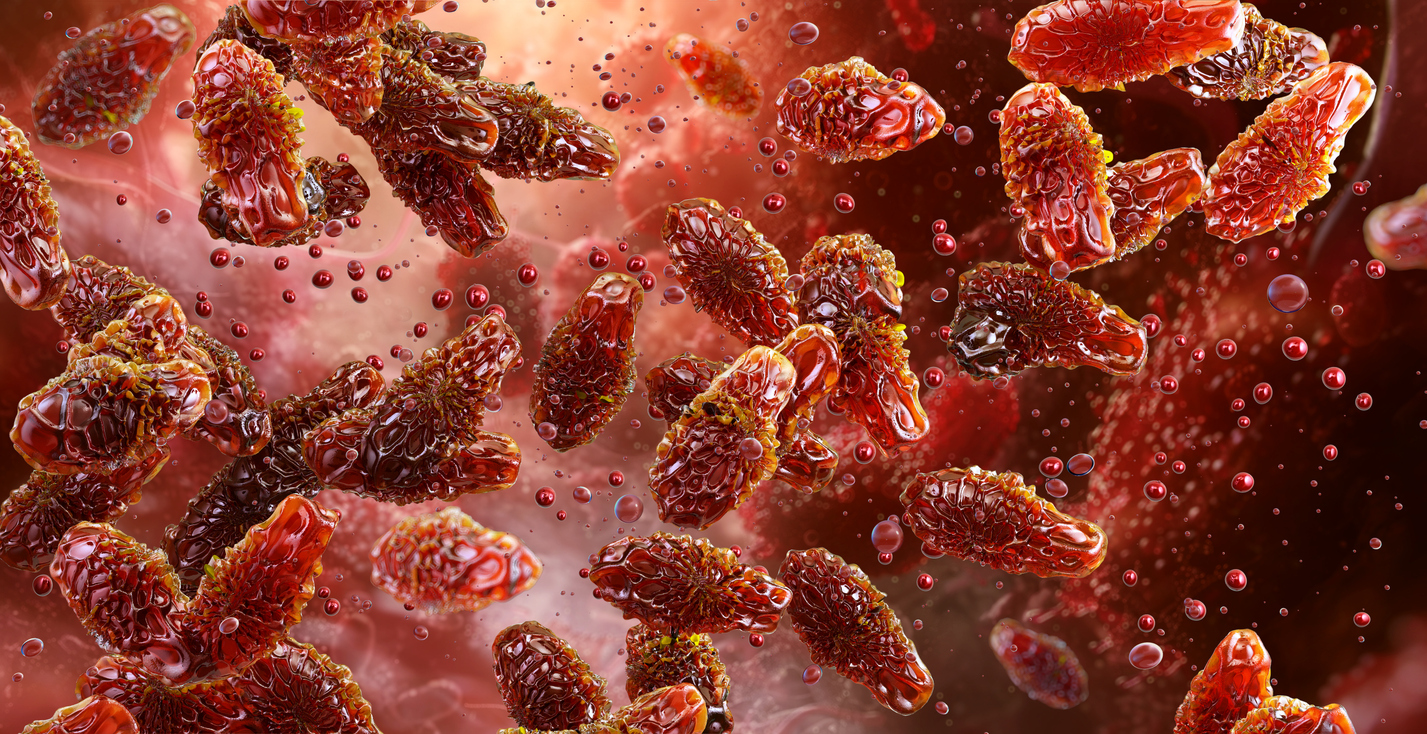
Botulinum toxin is one of the most toxic substances known — only a tiny amount can cause serious harm. The estimated toxic dose for an adult is about 70 micrograms, while toxicity for a substance like cyanide requires roughly 200,000 micrograms. Botulinum toxin is produced by a bacteria called Clostridium botulinum. People can be exposed to this toxin by eating contaminated food, such as improperly home-canned goods, if the bacteria enter a deep wound or if someone is improperly injected with Botox. The spores of the bacteria can also be found in one of nature’s sweeteners: honey.
- Honey in babies under 12 months of age:
Botulism can cause muscle paralysis — including the muscles we use to breathe — which is why it’s taken so seriously. We commonly hear about the use of honey in babies under 12 months of age, which can result in infant botulism. Honey can contain botulism spores that, in an infant’s still-developing digestive system, can grow and release the toxin, slowly affecting the baby’s muscle strength. It can eventually lead to paralysis. Fortunately, this is a rare event. - Botox:
We also receive calls about adverse reactions to Botox, which is a highly purified, medical-grade form of botulinum toxin used to relax muscles. Problems can arise when too much is given, or when a counterfeit product with high potency is used. If you ever have concerns about botulinum toxin exposure of any kind, don’t hesitate to contact the poison center at 1-800-222-1222 right away.
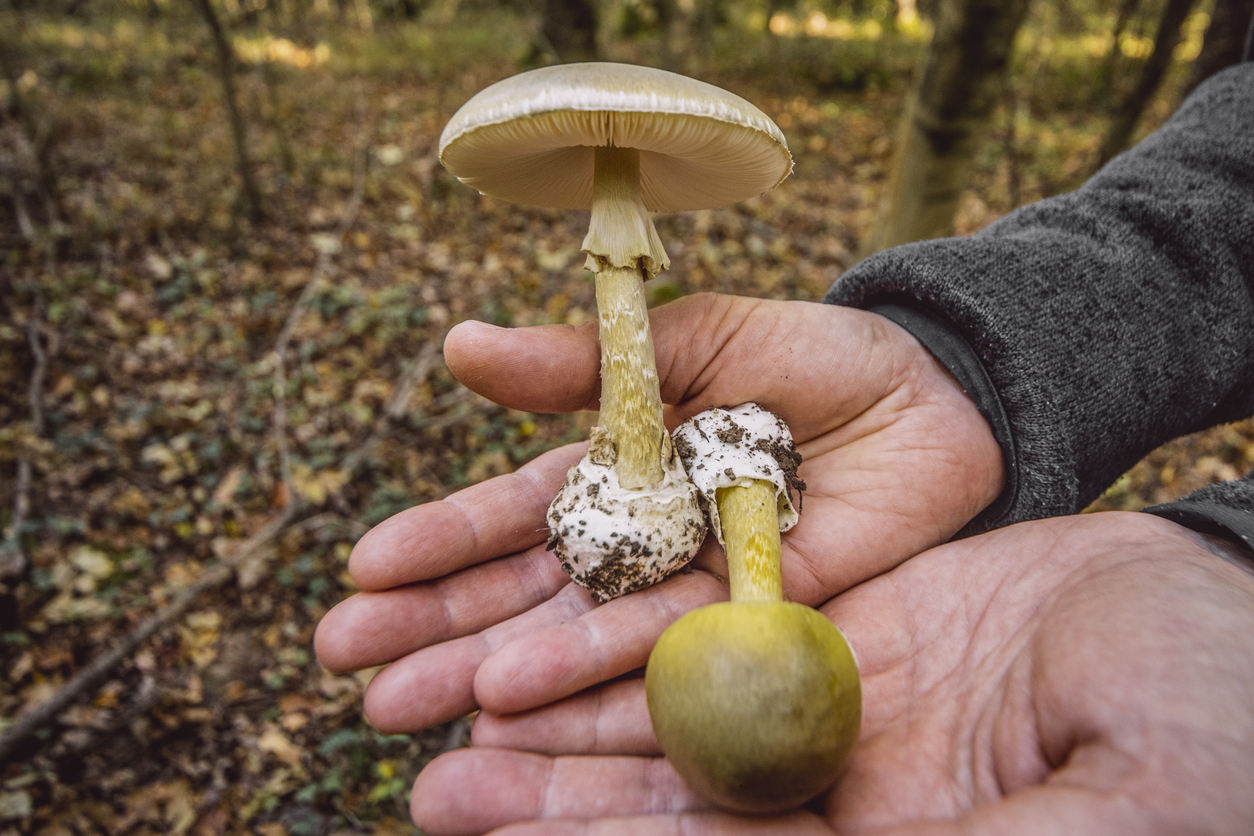
Amatoxin-Containing Mushrooms: Some of the most dangerous mushrooms in the world contain a substance called amatoxin, which can cause severe liver damage and death in some cases. One well-known example is Amanita phalloides, commonly called the “Death Cap,” which has been found across the United States and is frequently involved in mushroom poisoning cases in California and other states. Here in Illinois, two other mushrooms to be aware of are Amanita bisporigera (known as the North American destroying angel) and Galerina marginata, a small brown mushroom that grows in wooded areas. Both can cause serious liver injury.
Toxic mushrooms can look similar to edible varieties. The Illinois Poison Center strongly advises against foraging for wild mushrooms unless you have received thorough, expert training. If you or someone you know may have eaten a wild mushroom, contact the poison center immediately at 1-800-222-1222, even if no symptoms have appeared yet. Acting quickly can make a big difference.
Extremely toxic plants in Illinois include:
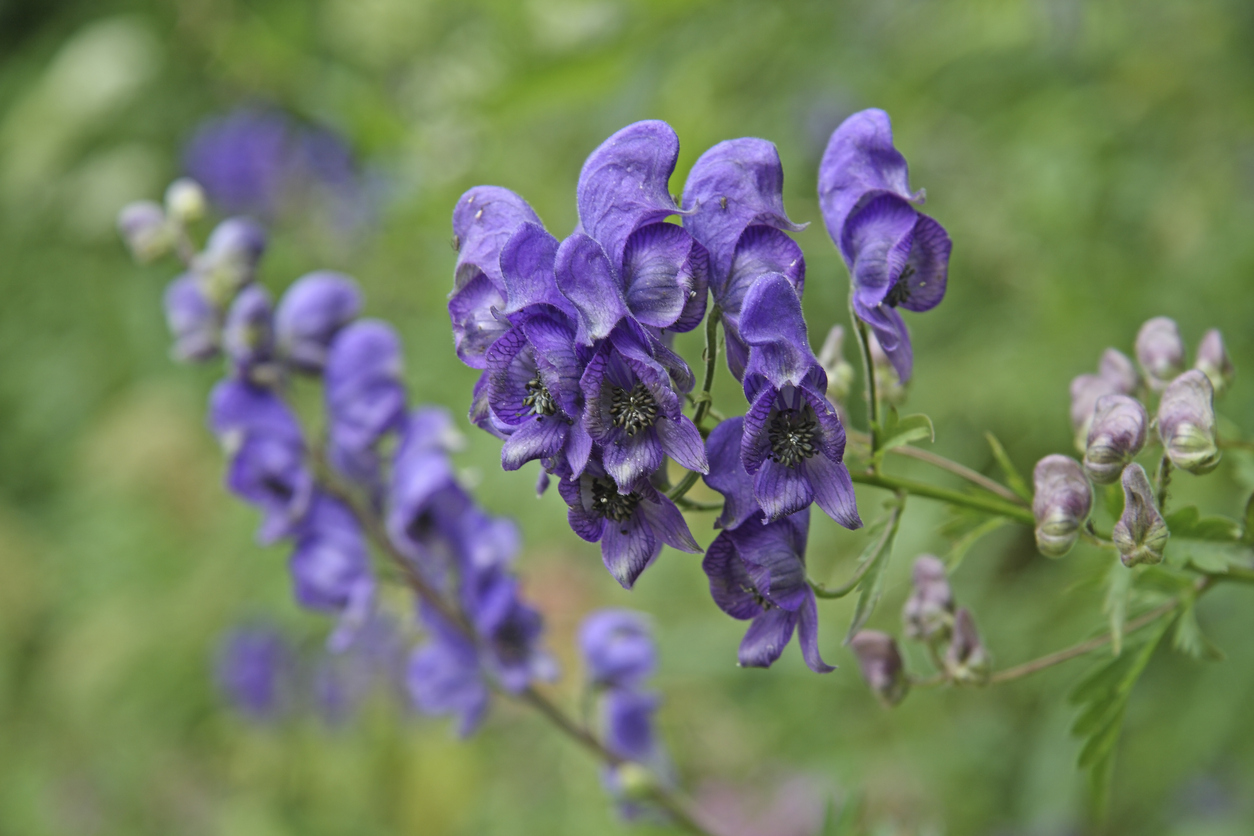
Monkshood, Aconitum napellus, is a perennial flowering plant with striking purple flowers that make for pretty accents in many gardens. The toxin in this plant, aconite, interferes with how nerves function throughout the body. Symptoms of poisoning include tingling or numbness, paralysis, severe stomach upset, intense pain, and irregular heart rhythms that can be life-threatening. All parts of the plant are considered toxic. If you suspect someone has swallowed any part of a monkshood plant, call the poison center at 1-800-222-1222.
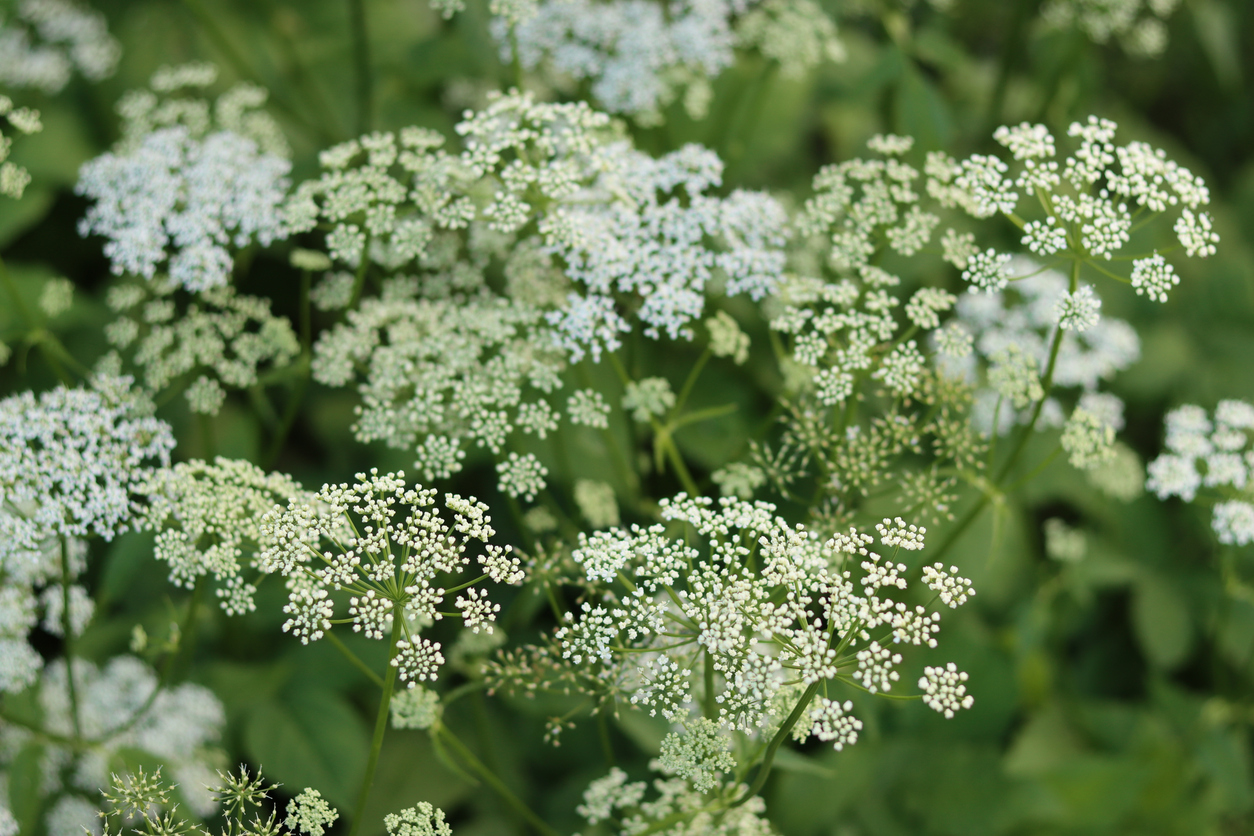
Water hemlock, Cicuta maculata, is found throughout Illinois. The toxin in these plants, cicutoxin, acts as a stimulant to the nervous system and can cause seizures. Water hemlock can easily be mistaken for edible plants such as wild celery, wild carrot, and water parsnip. Deaths have been reported after people ate this plant believing it was an edible root vegetable, so never eat any plant you find in the wild unless you are completely certain of what it is.
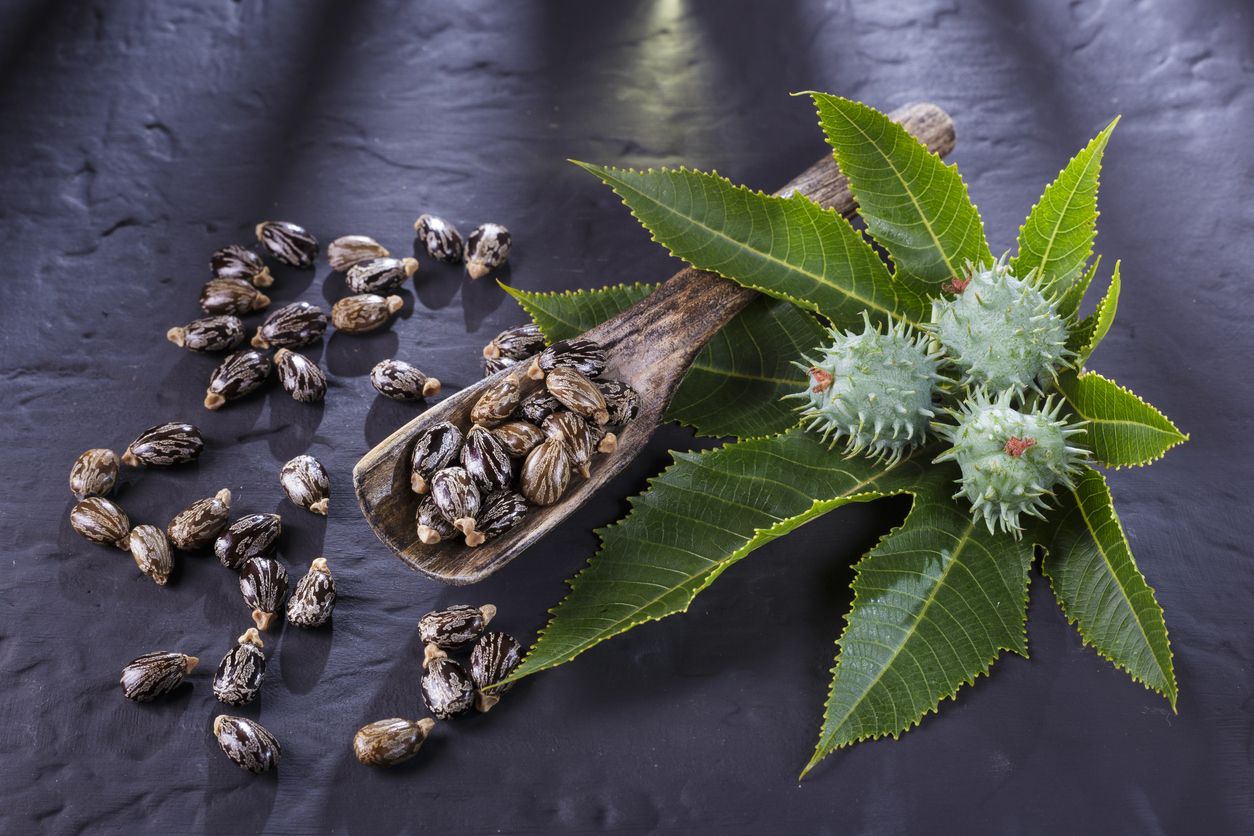
Castor bean, Ricinus Communis, is not native to Illinois but is often grown as an ornamental annual in gardens. Castor beans contain the toxin ricin, which disrupts how cells make proteins and ultimately causes cell death. A whole swallowed bean is usually not a problem. It is a concern if the bean has been chewed and broken apart prior to swallowing, as it releases the toxin to be absorbed in the stomach. If this happens, severe diarrhea, vomiting, and dizziness can occur. Keep in mind that ricin has been used in warfare and terrorism attacks — that’s how powerful it can be.
Exploring nature and tending to a garden are great activities for the longer, warmer days ahead. As you plan for spring and summer, keep in mind that not everything in nature is safe to eat. Since our natural world doesn’t come with warning labels, we’re raising awareness of some potentially poisonous substances out there. If you or someone else may have been exposed to something potentially toxic, call IPC at 1-800-222-1222.
More information and free IPC resources:
- Illinois mushrooms
- Toxic plants in Illinois
- Complementary Safety Packet (includes IPC sticker, magnet and first aid tips)
- Online Poison Prevention Education Course, materials and Continuing Education Credit
