
Not long ago, I cared for a patient in the emergency department who reminded me just how much we’re still learning about GLP-1 medications.
A middle‑aged man came in dizzy, foggy, and unsteady on his feet. At triage, his symptoms looked bad enough to trigger a stroke alert — within minutes he had a team around him and underwent immediate brain imaging. Thankfully, the scan showed he was okay.
But as we continued evaluating him, another clue emerged. Every time he stood up, his blood pressure dropped and his symptoms returned. This condition, known as orthostatic hypotension, occurs when blood pressure falls upon standing, reducing blood flow to the brain and causing dizziness, lightheadedness, or even difficulty walking. In severe cases, patients can appear confused or have trouble speaking, mimicking more serious neurological emergencies.
The underlying cause was profound dehydration.
Over the preceding weeks, he’d lost a significant amount of weight after starting a GLP-1 medication. Like many patients taking these medications, he experienced decreased appetite and intermittent nausea. What he hadn’t realized was that he was also drinking much less than usual. The combination of reduced food intake, reduced fluid intake, and ongoing gastrointestinal losses had left him depleted of salt and water.
This case is a good example of a broader pattern clinicians are noticing: GLP‑1 meds have been a game changer for obesity and diabetes, but they also have effects we’re still discovering.
What we’re seeing…
- Symptoms linked to low blood pressure seem to be on the rise after starting GLP‑1 therapy, especially in older adults who may already be on multiple blood pressure medications or have less physiologic reserve, which is the body’s ability to function beyond its basic, resting level when faced with sudden stress, illness, or hard exercise.
- Beyond nausea, vomiting, and diarrhea, emerging data suggest GLP‑1s can reduce thirst. Animal studies and a recent human trial showed reduced fluid intake and decreased thirst perception on imaging. That means some people may get dehydrated not just because they eat less but because they literally feel less thirsty.
The Illinois Poison Center perspective…
Usage of these drugs has exploded, and so have calls to IPC. In 2020, IPC had 29 GLP‑1-related calls; last year it was over 500. Most are not catastrophic poisonings — they’re medication errors.
Why errors happen:
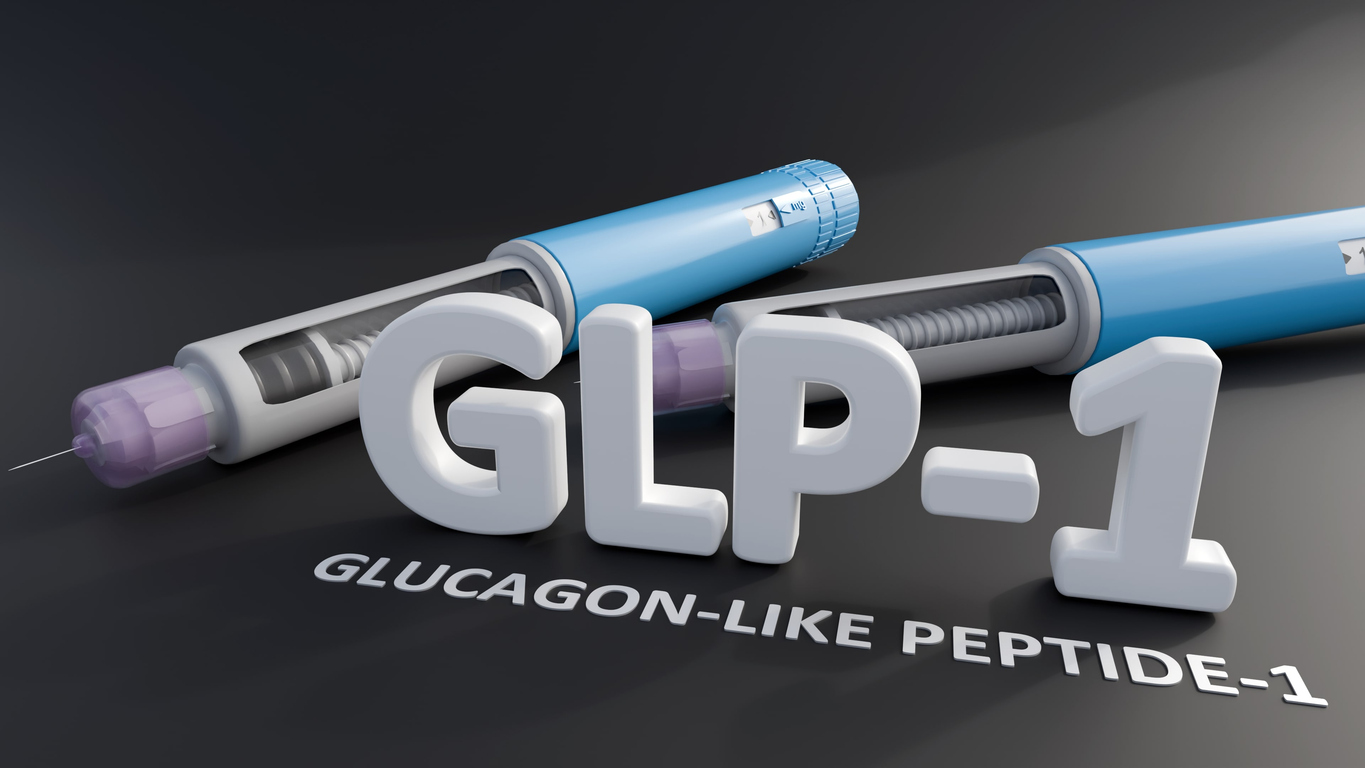
Compounded GLP‑1 products and multidose vials mean some people must draw doses with a syringe instead of using a familiar prefilled pen. That small change creates room for mistakes: double dosing, wrong syringe measurements, or accidentally giving several doses.
The good news…
- About 70% of GLP‑1 calls to the Poison Center can be managed at home with our guidance.
- Only about 5% need referral to a healthcare facility because of persistent or concerning symptoms.
- The remaining 25% are already being evaluated in healthcare settings when we’re contacted.
- Even after big dosing errors, most people have no symptoms or only mild GI effects (nausea, vomiting, diarrhea). Serious toxicity is uncommon, though ongoing vomiting can lead to dehydration that needs IV fluids or observation.
Bottom line:
GLP‑1s are still teaching us new things. As new formulations and compounded products appear, questions about dehydration, blood pressure changes, dosing errors, and counterfeit products will keep coming up.
Practical advice for patients
- Get your medication from legitimate sources.
- Make sure you understand exactly how your product should be dosed.
- Stay mindful of hydration.
- Ask questions. If you’re unsure or worried, the Illinois Poison Center is here to help.
Our expert-led helpline, 1-800-222-1222, provides immediate treatment recommendations to the public and healthcare providers. IPC medical experts are available to take your call 24 hours a day, 365 days a year. Click here for a free safety packet (includes IPC sticker, magnet and first aid tips for potential poisoning exposure; available in English and Spanish). For more information, check out IPC’s free online Poison Prevention Education Course (Bonus: free Continuing Education Credit).
Ben Weigel, MD
IPC Medical Director
