
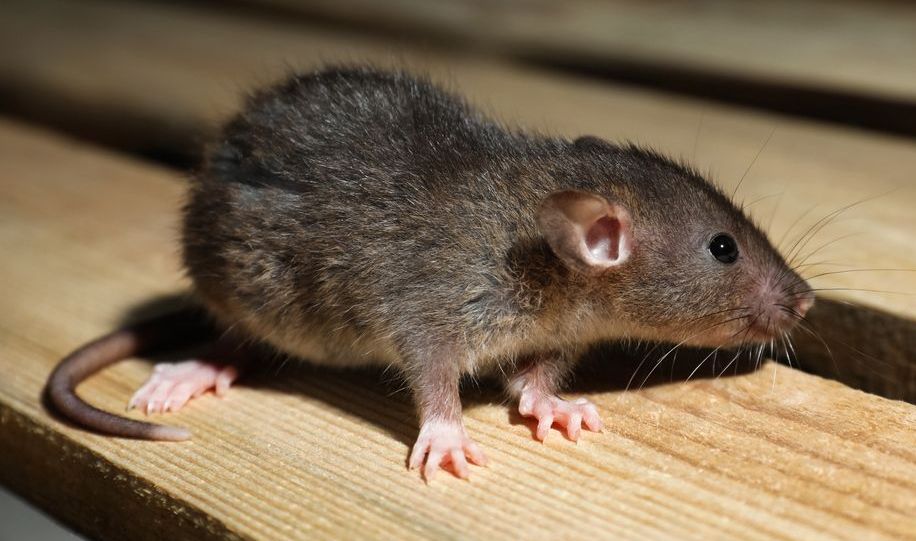
When the weather gets cooler, mice look for warmer places to stay—which often means finding their way into our homes. While a mouse may seem harmless (some might even say cute), most families prefer not to share their living space with these uninvited, furry guests. To get rid of mice and rats, many people turn to rodenticides.
At the Illinois Poison Center (IPC), we help manage hundreds of rodenticide exposures each year—about 300 in 2024 alone. Many of the cases are from unattended loose bait placed in areas where children can access them. In fact, more than half of rodenticide exposures involve children under the age of 5. That’s a big improvement from the year 2000, when we handled over 900 cases, 70% involving young kids. Thanks to stronger safety laws and increased awareness, we’ve made progress—but 300 cases is still too many. The four main types of rodenticide exposures reported to IPC are:
- Long-acting anticoagulant rodenticides
- Bromethalin
- Cholecalciderol
- Zinc Phosphide
Rodenticides can be dangerous and knowing what you’re using (and how to use it safely) is key. Our poison specialists, including nurses and pharmacists, are available to answer your questions and help with potential exposures to common rodenticide products:
1. Long-Acting Anticoagulant Rodenticides (LAARs)
These poisons stop blood from clotting, similar to the prescription drug warfarin, but are much more powerful. That’s why they’re sometimes called “superwarfarins.” Mice that eat enough LAARs will bleed internally and die. These products (with ingredients like brodifacoum, bromadiolone and difenacoum) can affect humans and pets, too.
Fortunately, most accidental ingestions by young children don’t cause harm. But large or intentional ingestions can lead to serious internal bleeding. Pets—especially dogs—are at risk if they eat bait or poisoned rodents.
Safety Tips:
- Use tamper-resistant bait stations to prevent kids and pets from getting into the poison.
- Dispose of dead rodents quickly to prevent pets or wildlife from eating them.
- Call your poison center (1-800-222-1222) or doctor right away if ingestion occurs, especially if it’s intentional.
Interesting Fact: In 2018, superwarfarin LAARs were found in synthetic cannabis products, causing serious bleeding in hundreds of people across the U.S. Illinois was ground zero for this large toxic outbreak.
2. Bromethalin
Bromethalin affects the brain and nervous system in rodents by damaging how their cells make energy. This leads to swelling in the brain, seizures, and death in rodents and other small animals including pets.
While most accidental ingestions in children don’t involve enough poison to be harmful, larger amounts—especially in self-harm cases—can cause serious symptoms including nausea, vomiting, confusion, weakness and seizures. Severe symptoms in humans, however, are very rare.
Safety Tips:
- Wear gloves when handling bait.
- Wash hands and skin after use.
- Always use tamper-resistant bait stations.
- Keep out of reach of kids and pets.
3. Cholecalciferol (Vitamin D3)
Yes, cholecalciferol is the same D vitamin you might take in a daily supplement, but in rodenticide form, the dose is much higher. This type of rodenticide causes dangerous calcium buildup in the body, leading to kidney and heart problems in rodents and small pets. For kids, accidental ingestions rarely cause harm—but cholecalciferol is still dangerous for animals.
Safety Tips:
- Use bait stations so that non-target animals and children cannot access the bait.
- Keep products locked away and out of reach.
- Monitor pets for signs of illness after exposure.
4. Zinc Phosphide
This rat and mouse poison creates the toxic gas phosphine when mixed with stomach acid or water. Phosphine gas interferes with how cells make energy, causing organ failure and death if the dose is high enough in both rodents and humans. Take caution when using zinc phosphide. This rodenticide was blamed for four deaths in Texas when someone sprayed water on the pesticide to wash it away.
Safety Tips:
- Read and follow label instructions carefully.
- Do not get the product wet.
- Never eat, drink or smoke while handling.
- Use in well-ventilated areas.
- Store in a cool, dry, locked location—away from food or water.
- Always use bait stations and keep out of reach of kids and pets.
Rodenticides are effective tools, but they come with real risks. Using them safely—and storing them properly—can prevent poisoning in children, pets, and others in your household.
When in doubt, don’t guess. Call the experts instead.The Illinois Poison Center (or your local poison center) is available 24/7 at 1-800-222-1222 for free, confidential help.
Get our free Safety Packet, which includes a magnet, sticker and first aid tips for common poisonings. The packet is perfect for families and community groups.
